Nutriveat
AI-Powered Personalized Nutrition
A comprehensive health and nutrition platform that leverages fine-tuned generative AI to architect personalized meal plans, automate shopping lists, and provide real-time culinary assistance.
My Role
Lead Developer & Architect
Stack
Flutter, Firebase, OpenAI (GPT-4o), Novita AI, StoreKit / Play Billing
Impact
Fine-tuned LLM Assistants • Direct Store Integrations • Multi-Tier Subscriptions
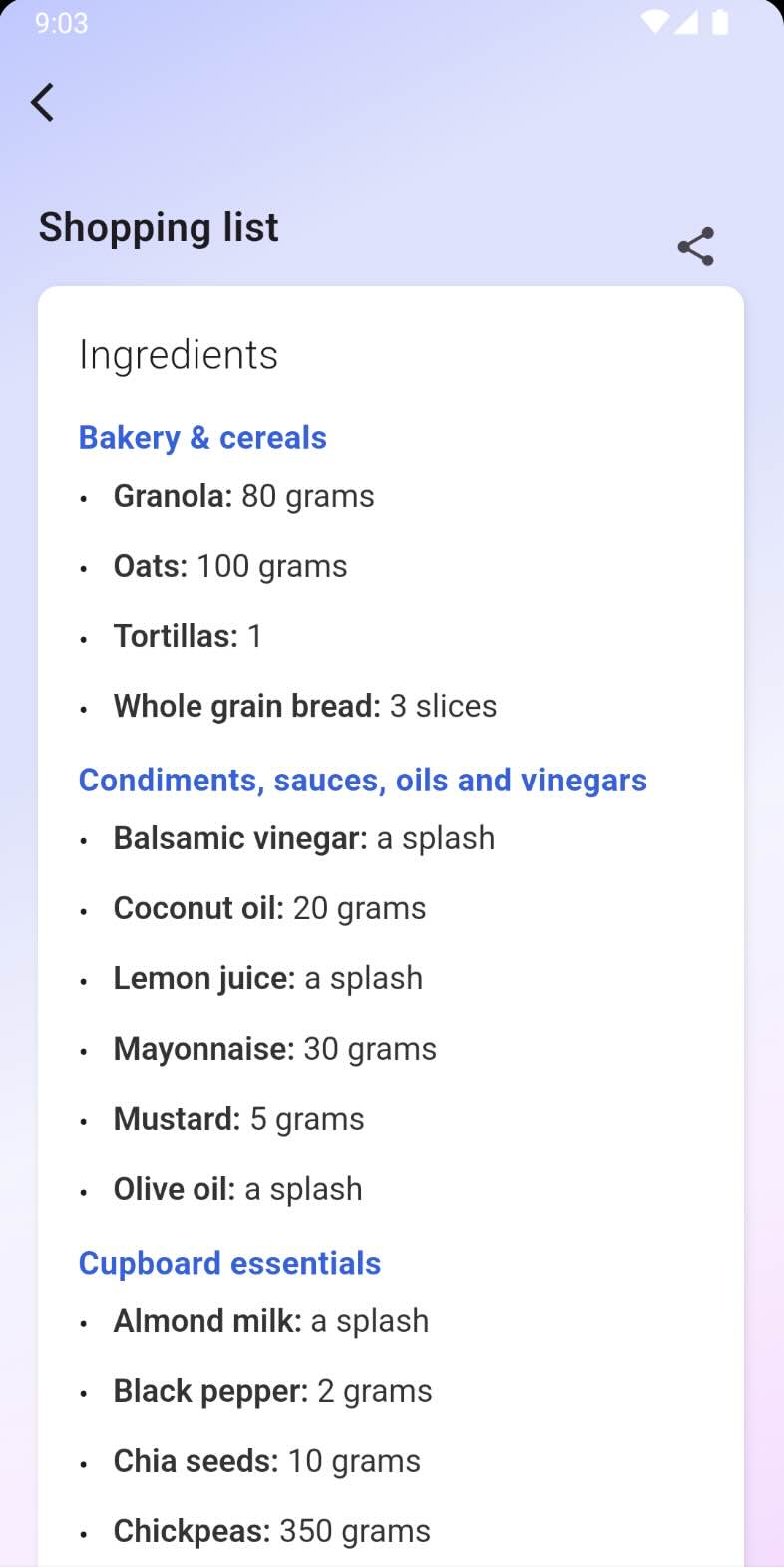
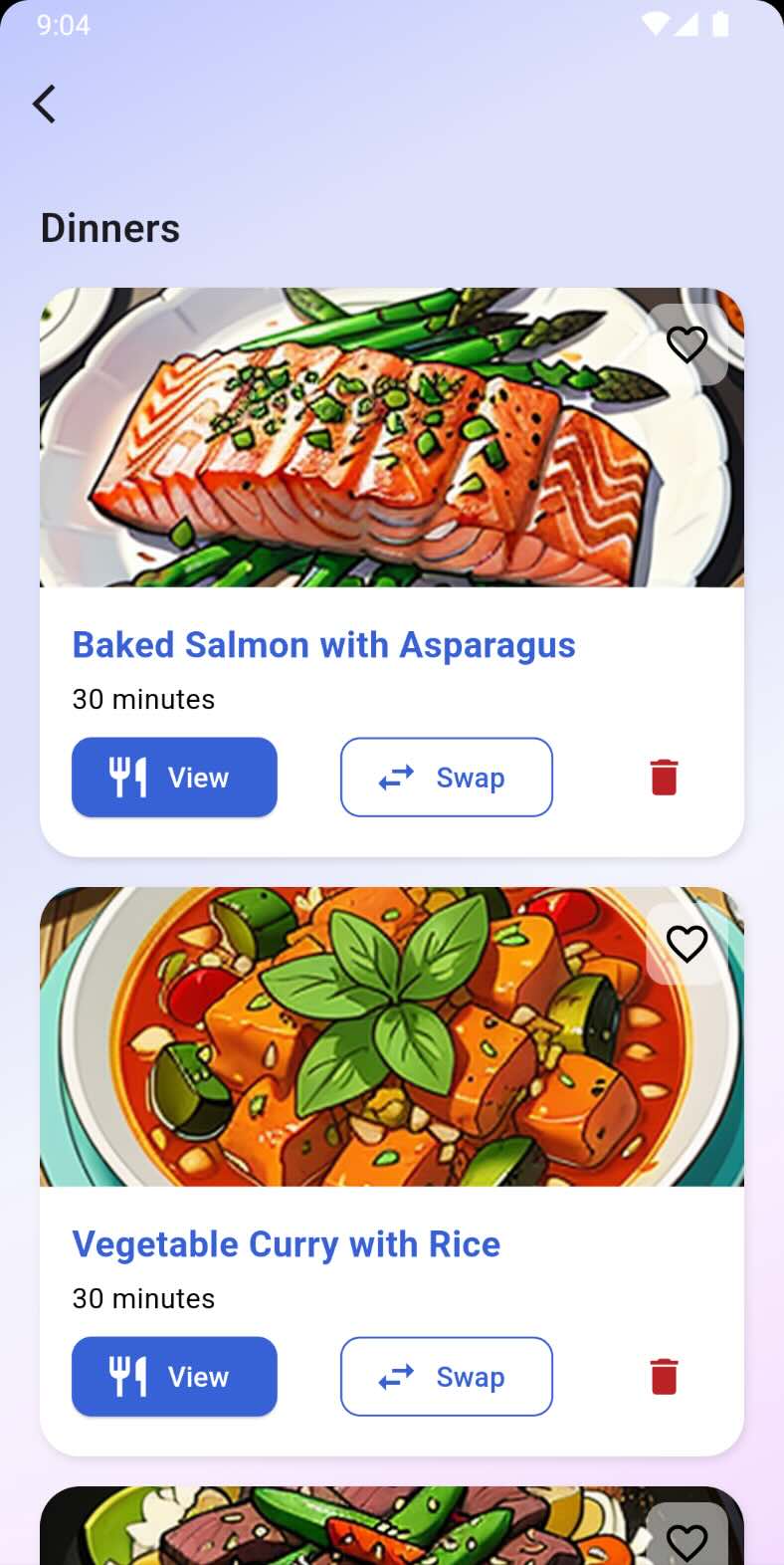
Interactive Gallery — Select or swipe to explore
System Architecture Log
PROJECT LOG // AI ORCHESTRATION // MONETIZATION
The Engineering Story
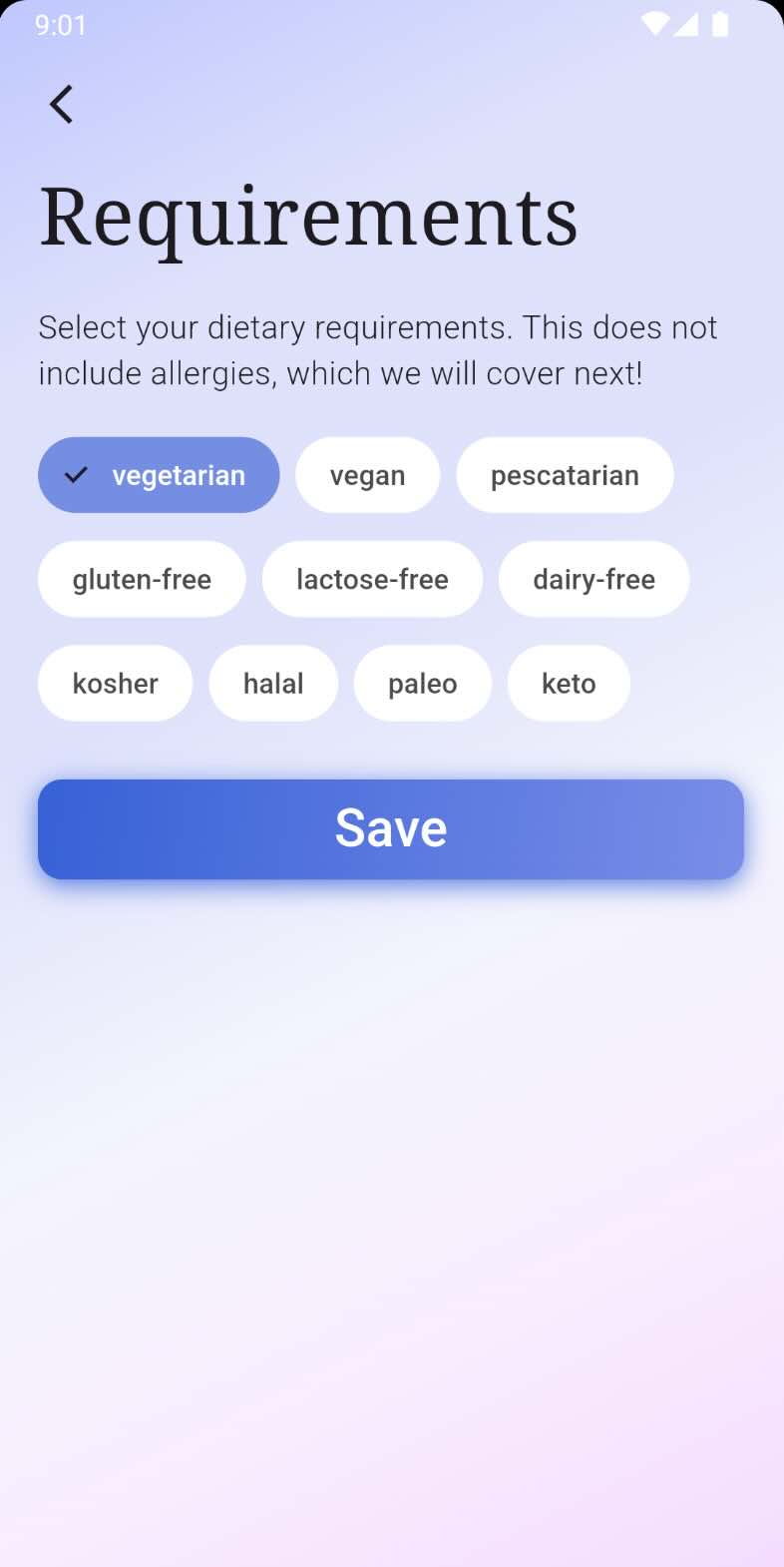
Nutriveat represents a deep dive into the practical application of Large Language Models (LLMs) in a consumer-facing mobile environment. The goal was to move beyond a standard "chat wrapper" and create a deeply integrated tool that understands the nuance of dietary constraints, kitchen logistics, and user budgets.
Fine-Tuned AI & Structured Output
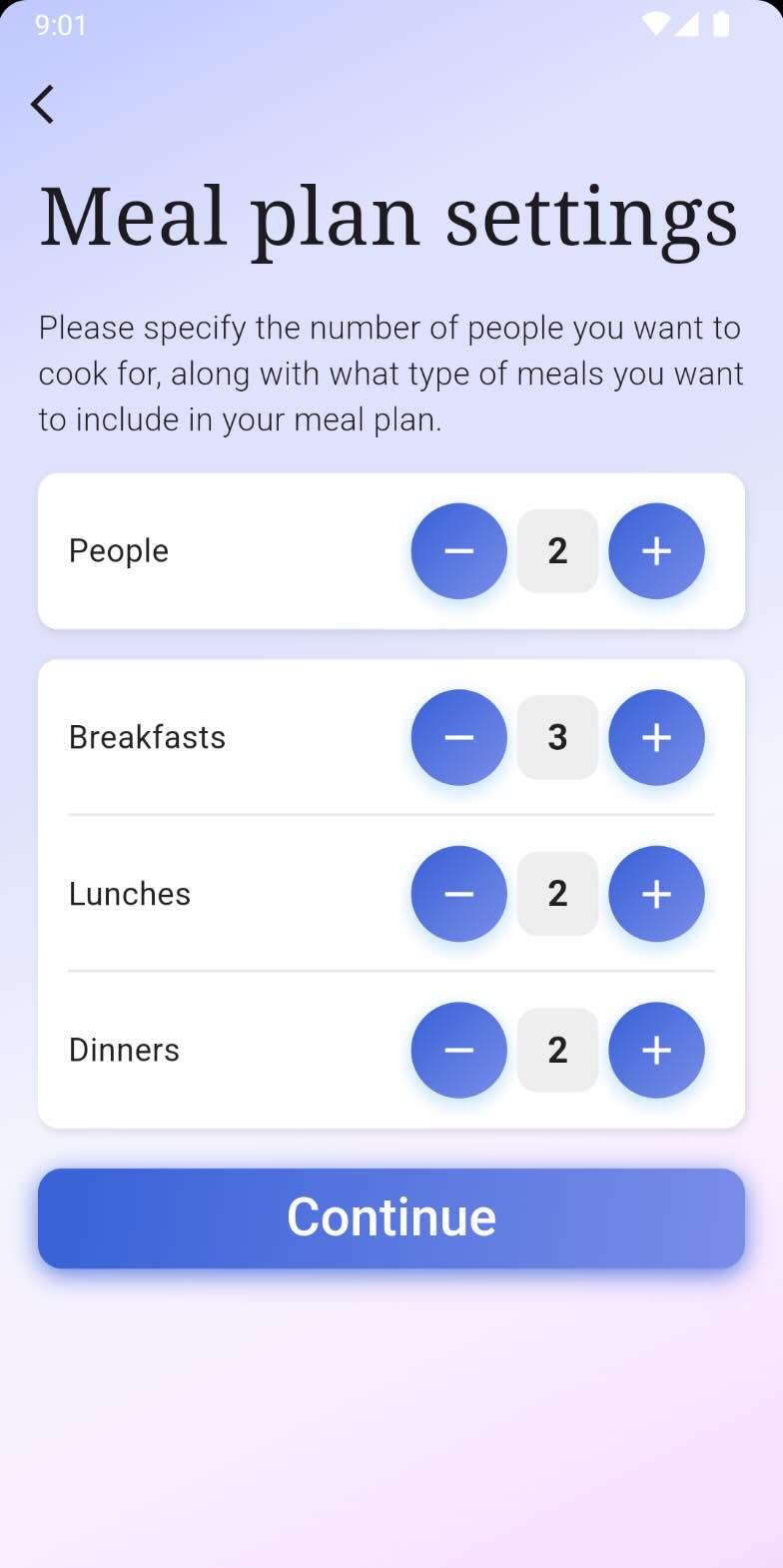
A major engineering hurdle was ensuring the AI generated valid, consistent, and safe meal plans. I implemented a system of fine-tuned system prompts and strict schema validation within Cloud Functions to force GPT-4o to return structured data. This allowed the app to take raw AI output and instantly transform it into actionable Firestore documents, shopping list items, and high-fidelity image prompts for Novita AI.
Native Subscription Architecture
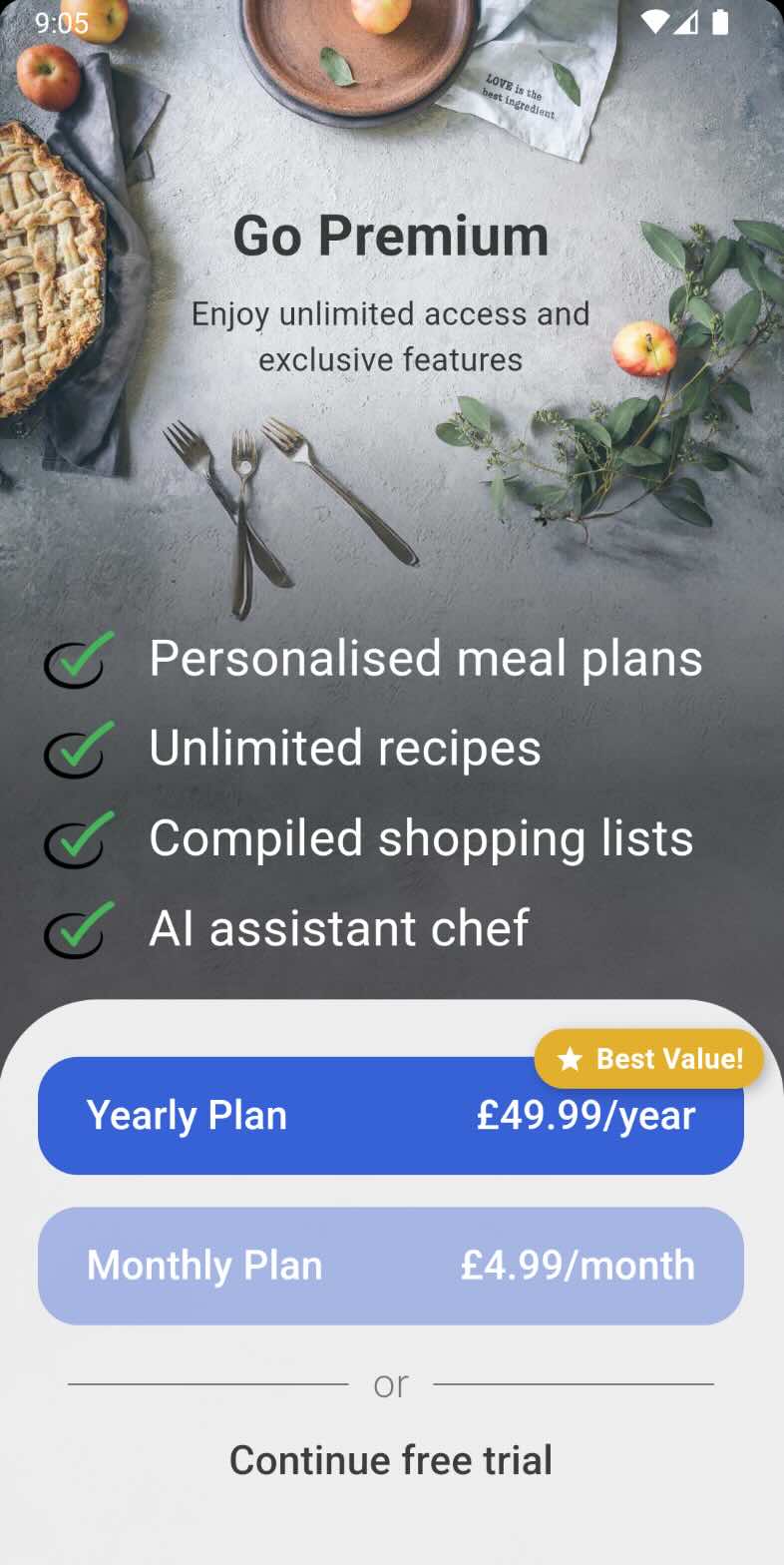
To support the ongoing API costs of generative AI, I architected a robust multi-tier subscription model (Monthly/Annual). I implemented the monetization layer by integrating directly with the Apple App Store (StoreKit) and Google Play Console (Billing Library). This involved architecting a custom server-side validation system in Cloud Functions to handle real-time subscription status, grace periods, and cross-platform entitlement logic without the use of third-party middleware.
Context-Aware Culinary Assistance
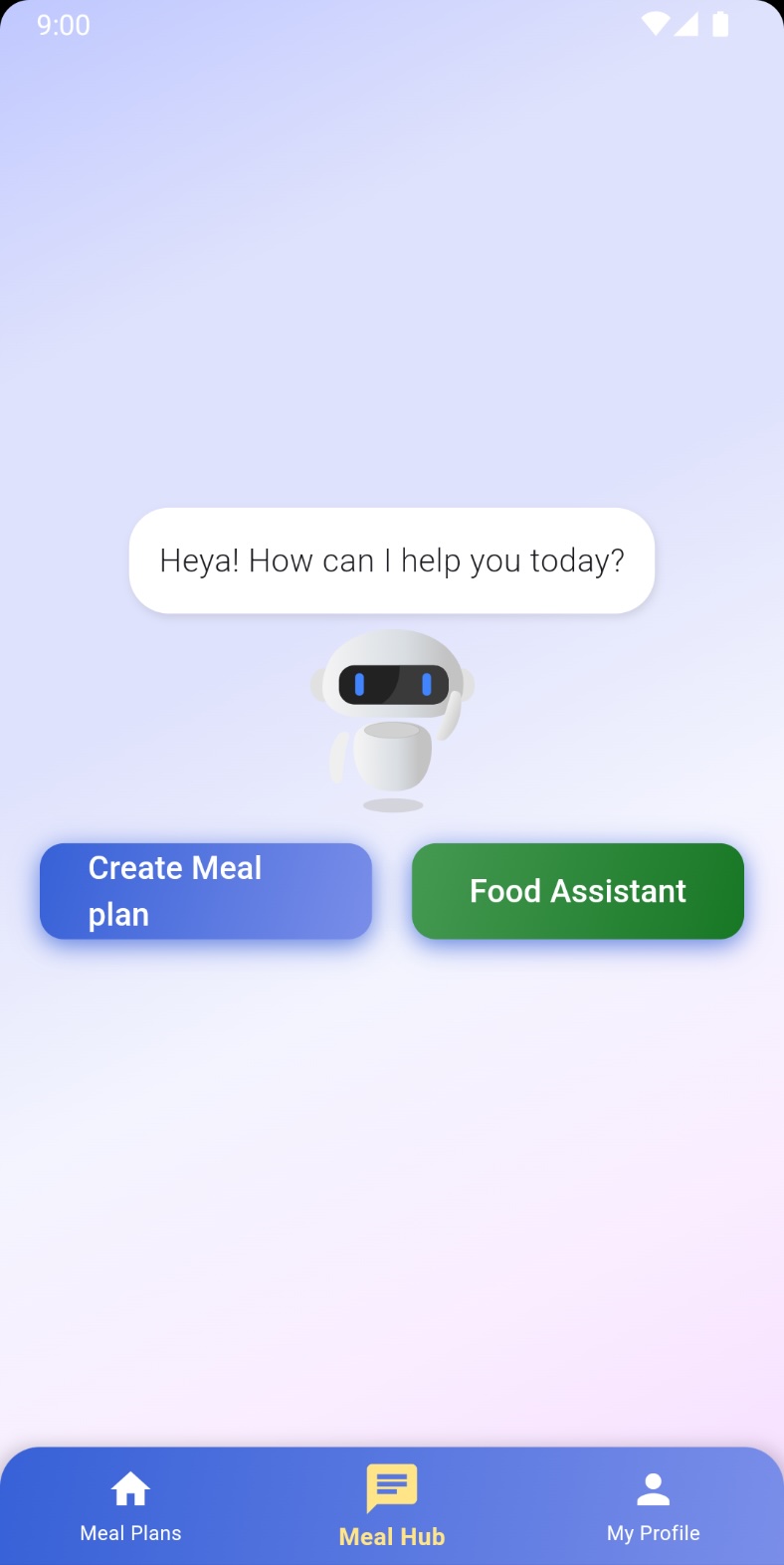
I developed a specialized AI Chatbot designed to function as a "Kitchen Assistant." Unlike general-purpose bots, this assistant is provided with the specific context of the user's current meal plan, dietary allergies, and available utensils. By using RAG-lite (Retrieval-Augmented Generation) principles, the bot can provide accurate unit conversions and tailored cooking instructions that respect the user's specific kitchen setup.